
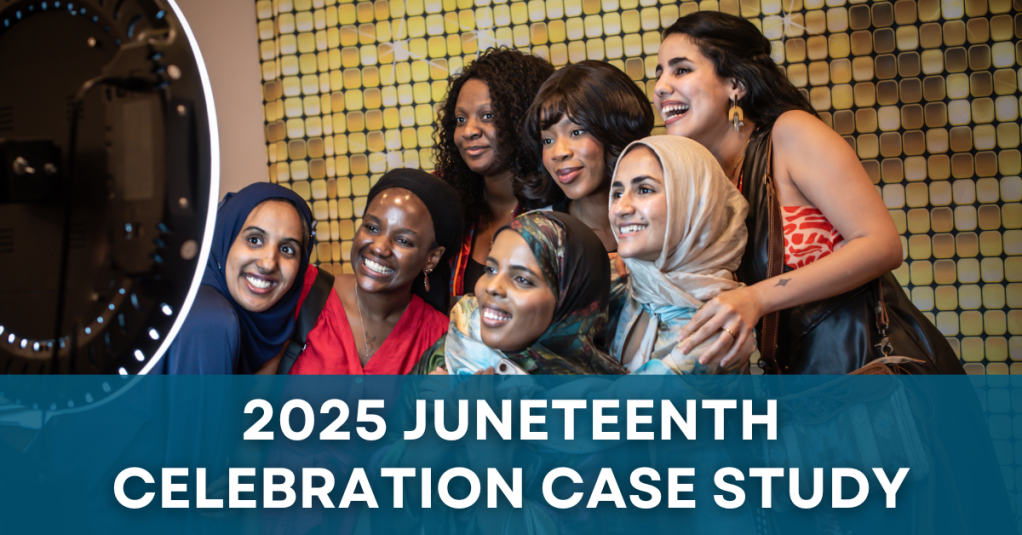
A Communications Case Study for Equity-Driven Work by Hilda Chang Consulting
Case Overview
In 2025, Hilda Chang Consulting led the outreach, engagement, and communications strategy for the Juneteenth Celebration hosted by Community Organizing Alliance in Lewiston, Maine. The annual event commemorates Juneteenth, a national holiday that recognizes the end of slavery in the United States and celebrates Black freedom and cultural leadership. This year’s theme, Resistance Through Joy, focused on uplifting the Lewiston community through inclusive storytelling, personalized outreach, and culturally responsive programming. Strategic efforts prioritized community visibility, local partnerships, and accessible engagement to honor Black resilience and deepen connections across the state of Maine.
This case study explores how I, Hilda Chang, incorporated equity, collaboration, and cultural integrity into a communications strategy that strengthened Black, Indigenous, and People of Color (BIPOC) leadership and fostered lasting partnerships. By combining data-informed planning, ethical storytelling, and localized outreach, the campaign demonstrated how values-based communications can build trust, increase visibility, and drive long-term community engagement.
The Challenge
The 2025 Juneteenth Celebration was planned amid growing public resistance to racial equity work and declining institutional support for Diversity, Equity, and Inclusion (DEI) programming. Despite this climate, Community Organizing Alliance remained committed to honoring Juneteenth as a joyful, community-driven celebration of Black freedom and leadership.
Lead organizer, Mohamed Khalid—CEO and Co-Founder of COA—set three core goals for the campaign:

1. Secure new partnerships and sponsorships to support long-term community impact.
2.Strengthen digital engagement with BIPOC communities through inclusive storytelling
3.Expand campaign visibility across both rural and urban communities in Maine
Hilda Chang Consulting was brought in to lead the outreach, engagement, and communications strategy to obtain these goals. As the founder and Strategic Lead, my role was to guide messaging, digital engagement, and partnership development, ensuring the campaign remained grounded in joy, equity, and an authentic community representation.
The Strategy
To meet the campaign’s goals and navigate evolving challenges, I developed a strategy rooted in transparency, collaboration, and equity. The approach focused on building strong internal systems to support accessible, community-centered participation.
Key strategic elements included:
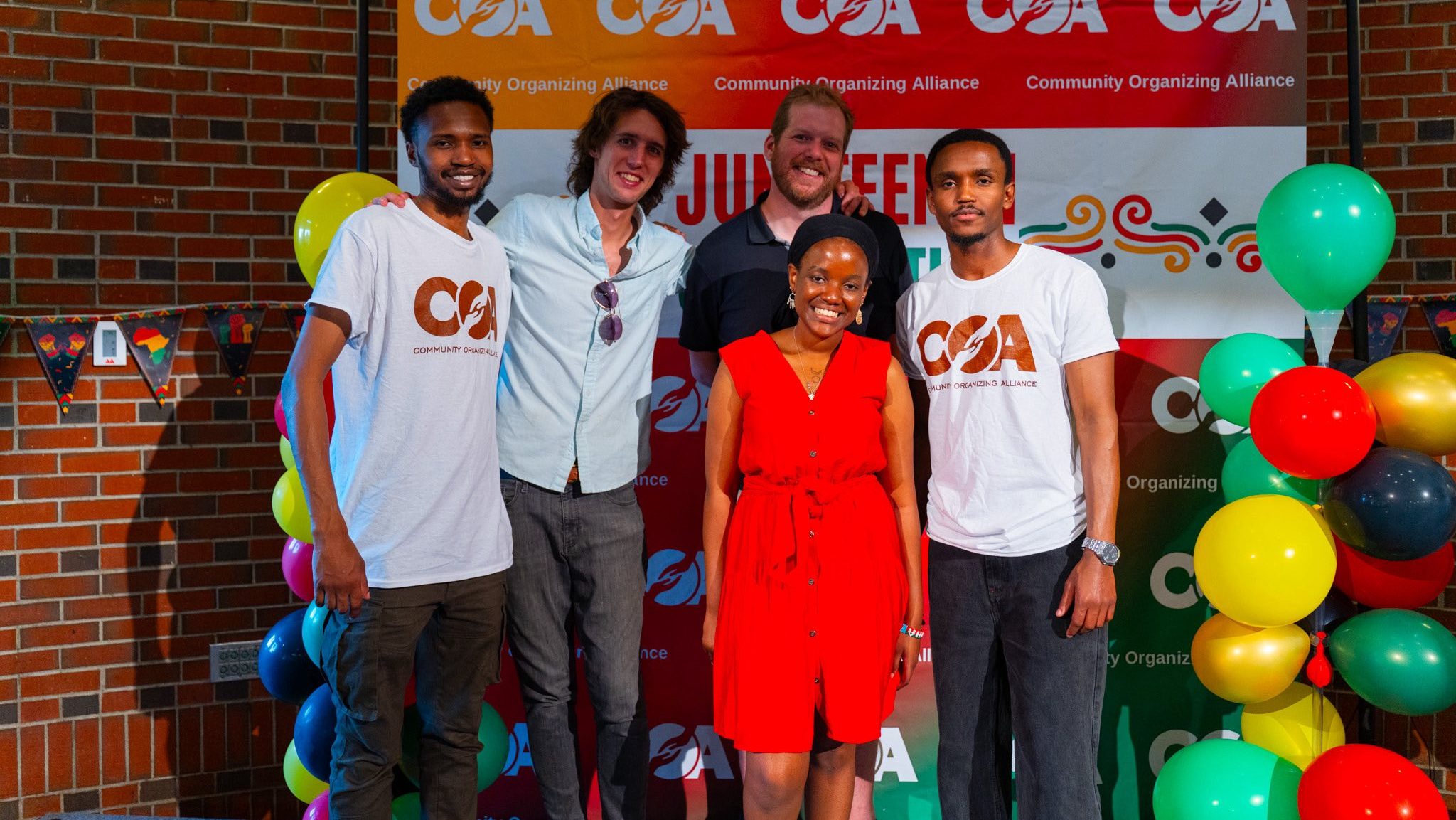
1. Collaborative Infrastructure:
I developed branding guide documents, planning timelines, and messaging frameworks to align team roles, streamline creative production, and coordinate outreach across stakeholders and digital channels.
2. Community-Led Storytelling:
All messaging was designed to reflect the voices of Black and Brown individuals. A low-barrier submission process invited community members to participate in Juneteenth Highlight Week, ensuring engagement beyond frequent organizational partners.
3. Inclusive Sponsorship Model:
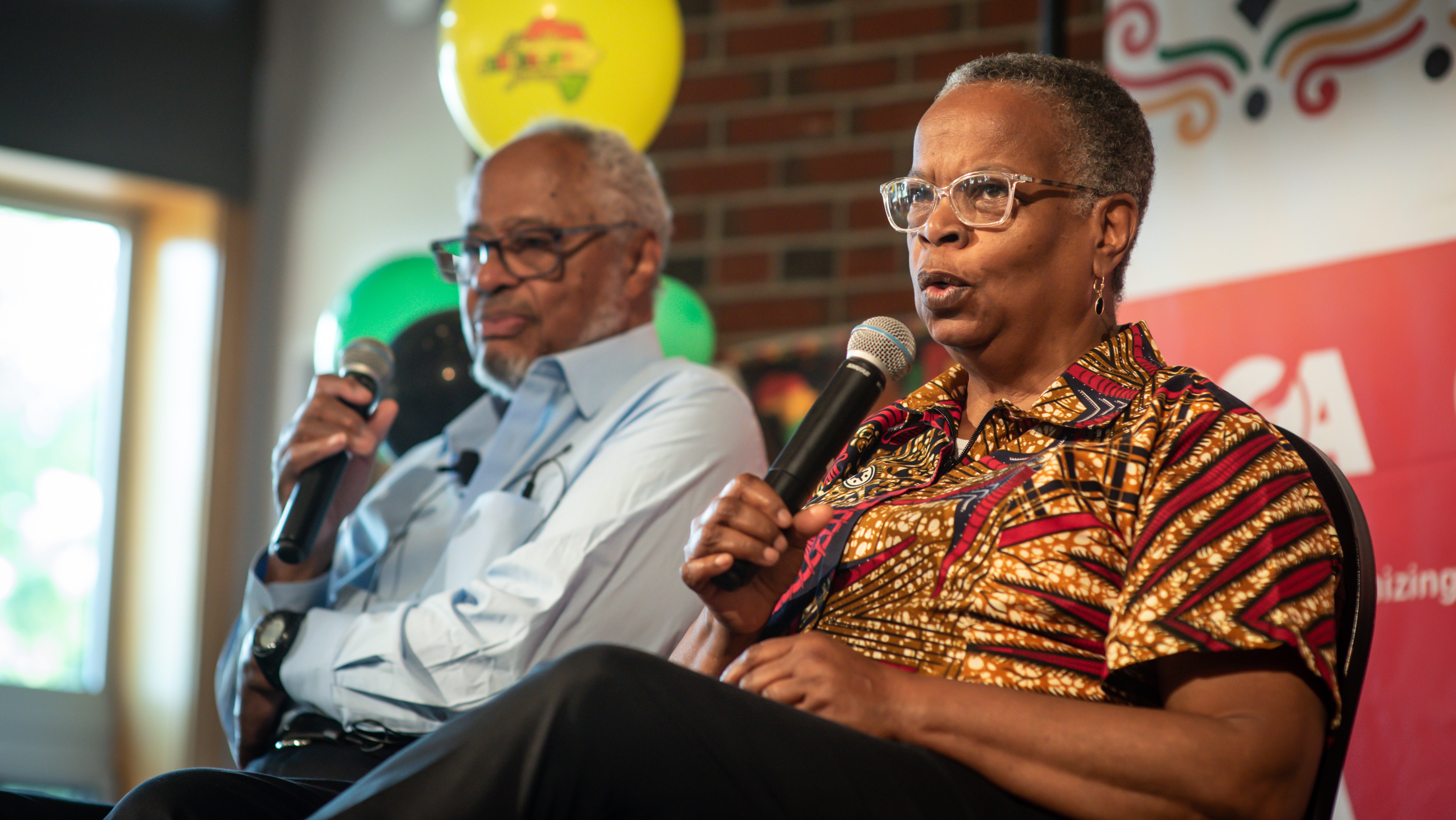
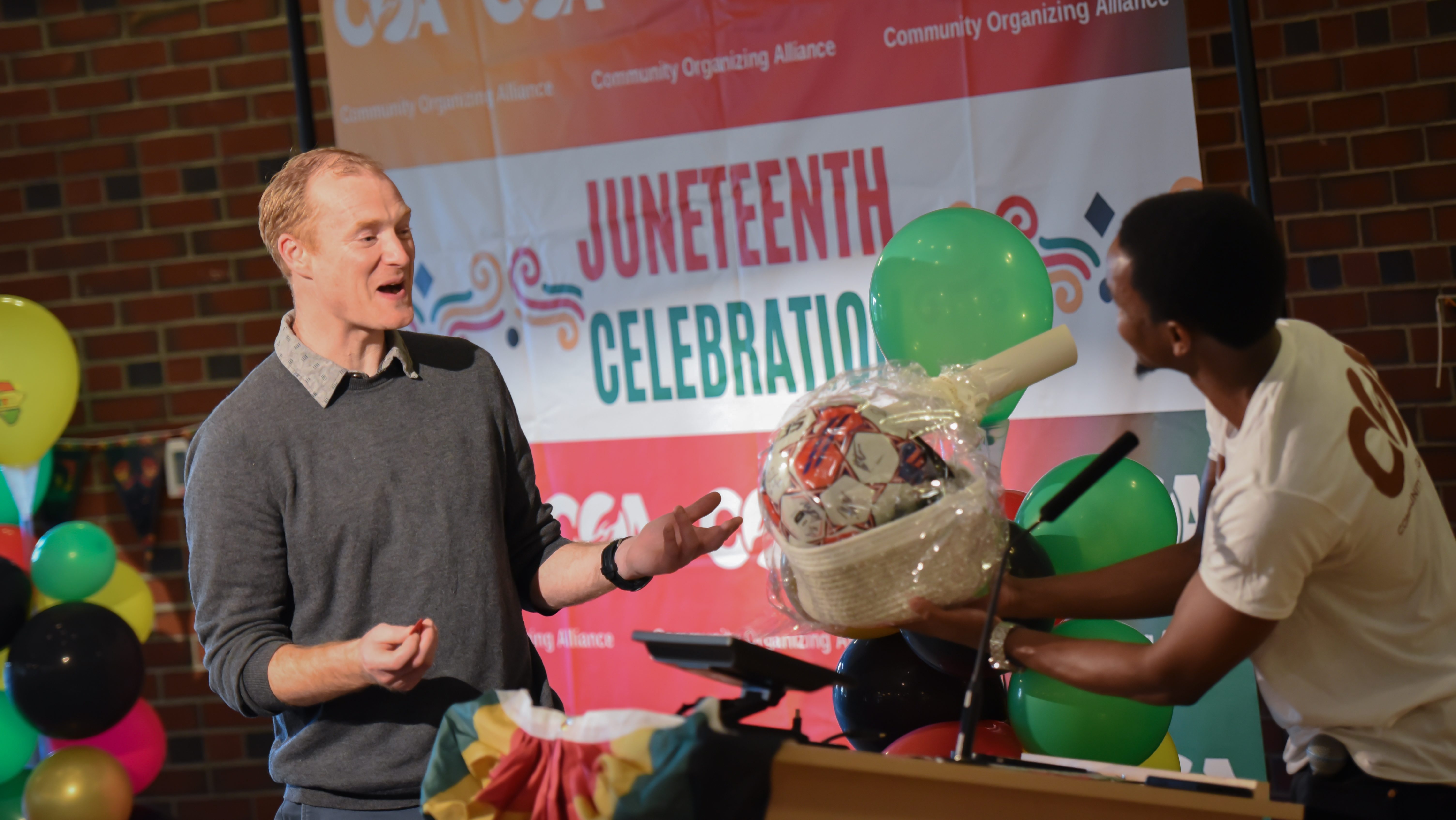
In response to unexpected funding losses, I worked with COA to introduce the Unity Sponsorship Tier, a new entry point that welcomed first-time, small-scale, and BIPOC-led business sponsors into the campaign.
By pairing intentional systems with relationship-first messaging, the strategy created room for shared leadership, cultural relevance, and long-term partnership development—without sacrificing project milestones or collaborative momentum.
The Execution
Coordinating Collaboration
As Strategic Lead, I worked closely with Community Organizing Alliance’s leadership, steering committee, and campaign partners to align efforts across outreach, design, and event planning. Each stakeholder brought different priorities—some focused on visual visibility, others on cultural integrity or creative autonomy. My priority was to hold space for those needs while keeping everyone focused on the shared goals of visibility, celebration, and community empowerment.
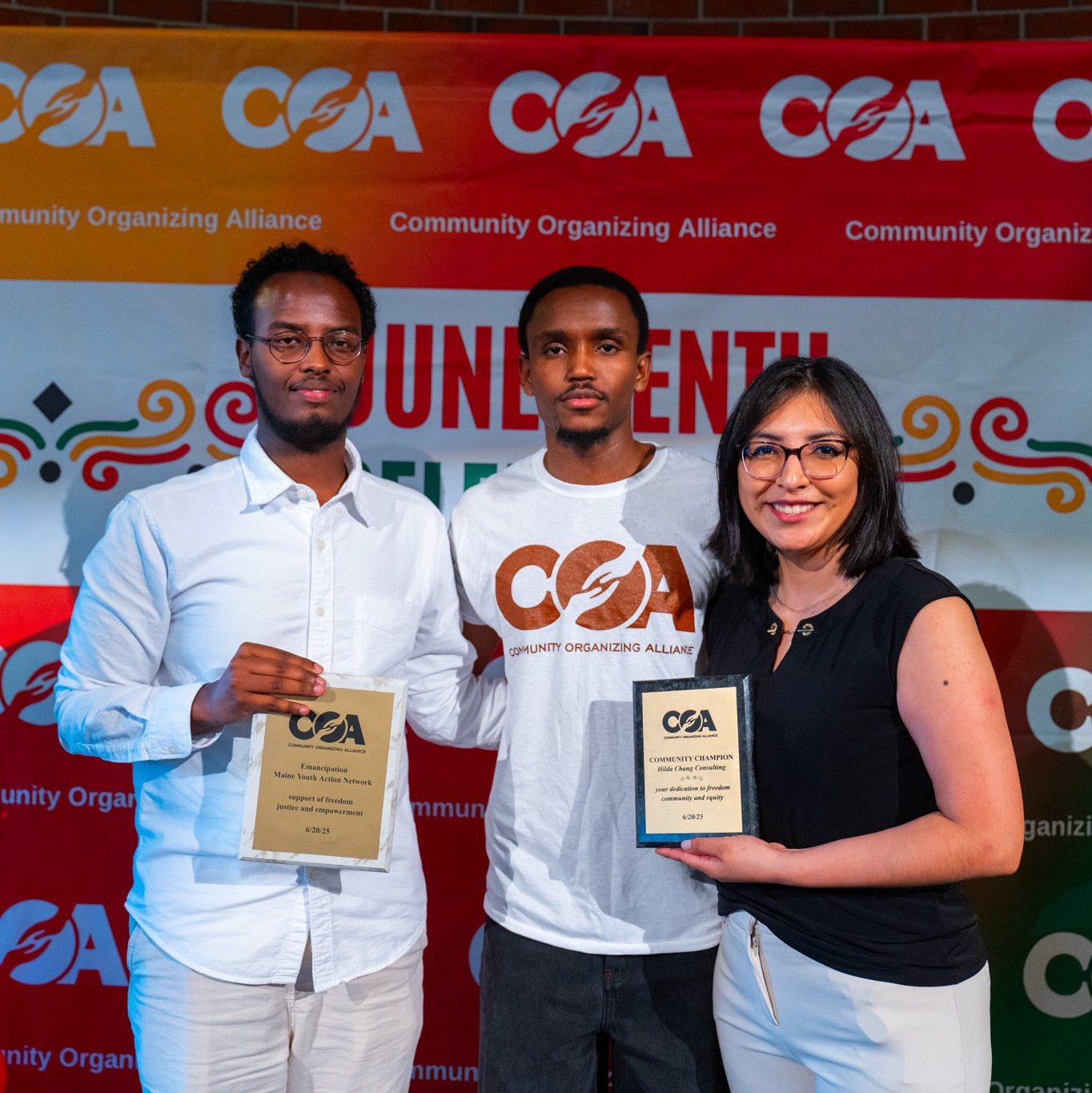
I assisted Mohamed with monthly check-ins, broke down campaign strategies into actionable tasks, and adapted timelines to balance both the creative process and community voice. We focused on strategic collaboration through a shared document and organized responsibilities based on each partner’s strengths and areas of expertise. My focus was clear communication between stakeholders, community partners, and COA staff, ensuring that everyone felt heard and supported throughout the process.
The result was a successful engagement campaign that attracted new funders, secured $6,800 in sponsorships, increased attendance by 32%, and strengthened relationships across local organizations. More importantly, it brought people together in a way that felt celebratory, strategic, and deeply aligned with our shared values.
Creating Community-Led Storytelling
To foster greater community involvement that extends beyond regular partnerships, I launched “Juneteenth Highlight Week”—a weeklong social media campaign that amplified the voices of Black and Brown leaders, businesses, and organizations across Maine. This series was a platform to center everyday community members who are already doing powerful work, even if they don’t always receive recognition. It was a way to celebrate their contributions and share their stories with a broader audience.
To ensure participation was community-led and consent-based, I created a public submission form inviting individuals to share their content or highlight someone in their organization. The form asked how their story or work tied into our Juneteenth celebration theme of “Resistance Through Joy” and included an explicit request for consent to share their photos and story online. I used their submitted content to create accessible, shareable posts that reflected the joy and leadership in our communities and honored Juneteenth.
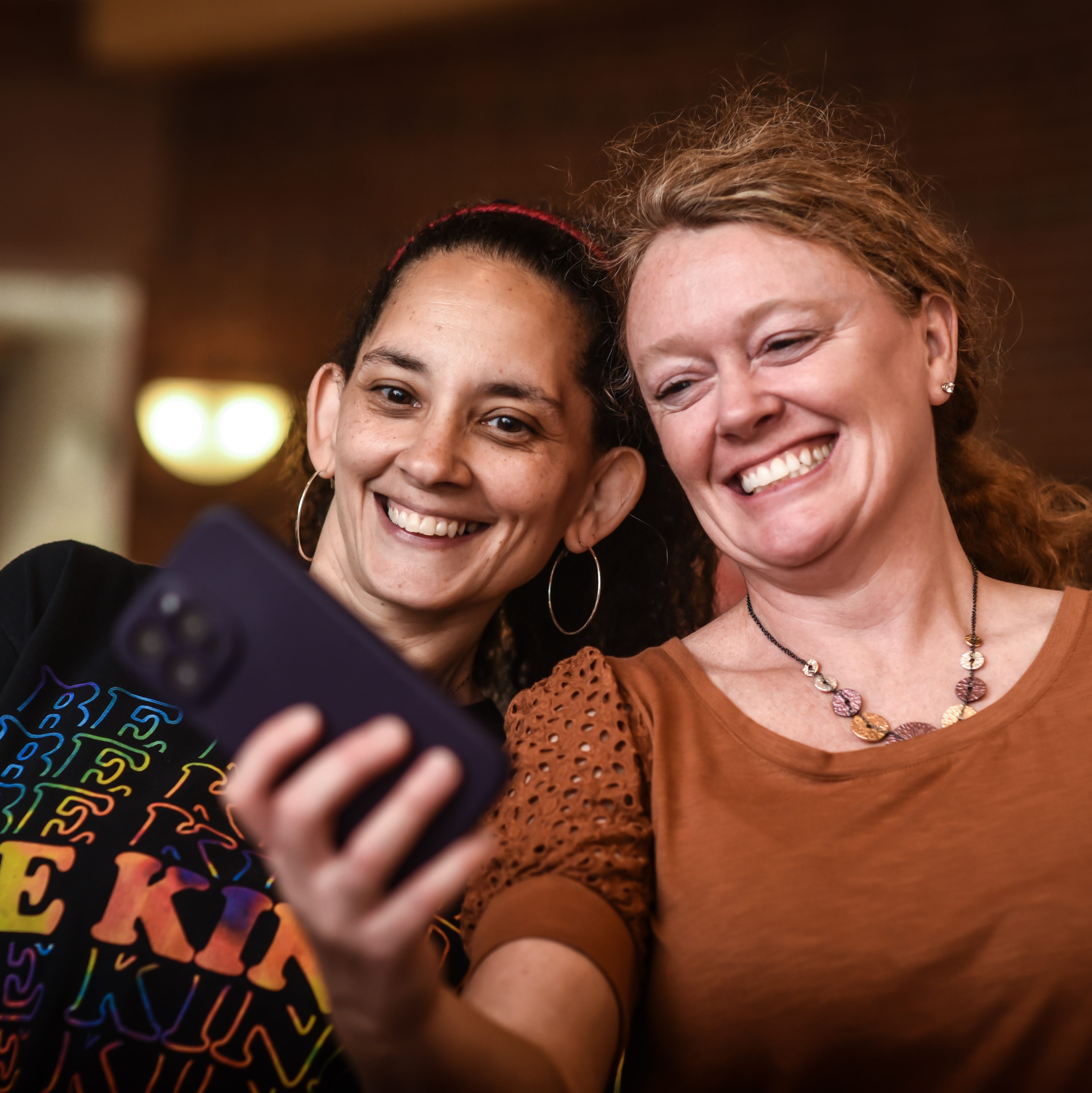
This strategy provided organizations we hadn’t previously worked with a clear, low-barrier way to participate, positioning their voices at the center of the campaign. The result was our most engaged digital week of the whole Juneteenth campaign, with community members not only liking and commenting but also actively amplifying visibility to their network and engaging with their support.
Beyond online engagement, Highlight Week also helped build digital and in-person relationships with leaders we hadn’t previously connected with.
Additionally, several of the featured organizations were invited to speak, table, or celebrate with us, further reinforcing our commitment to participation that extends beyond a social post. The Juneteenth Highlight Week wasn’t just about content—it was about building a community of recognition, trust, and shared celebration.
Reframing Inclusive Sponsorship Strategies
While leading sponsorship engagement for the Community Organizing Alliance’s Juneteenth Celebration, we faced an unexpected drop in high-level sponsorship due to shifting political priorities and budget cuts to DEI programs. Two major funders from the previous year withdrew their support, resulting in a $3,000 funding gap. Rather than scrambling to replace them with quick-turn, high-dollar asks, I worked with COA to rethink our approach in a way that honored our values and community.
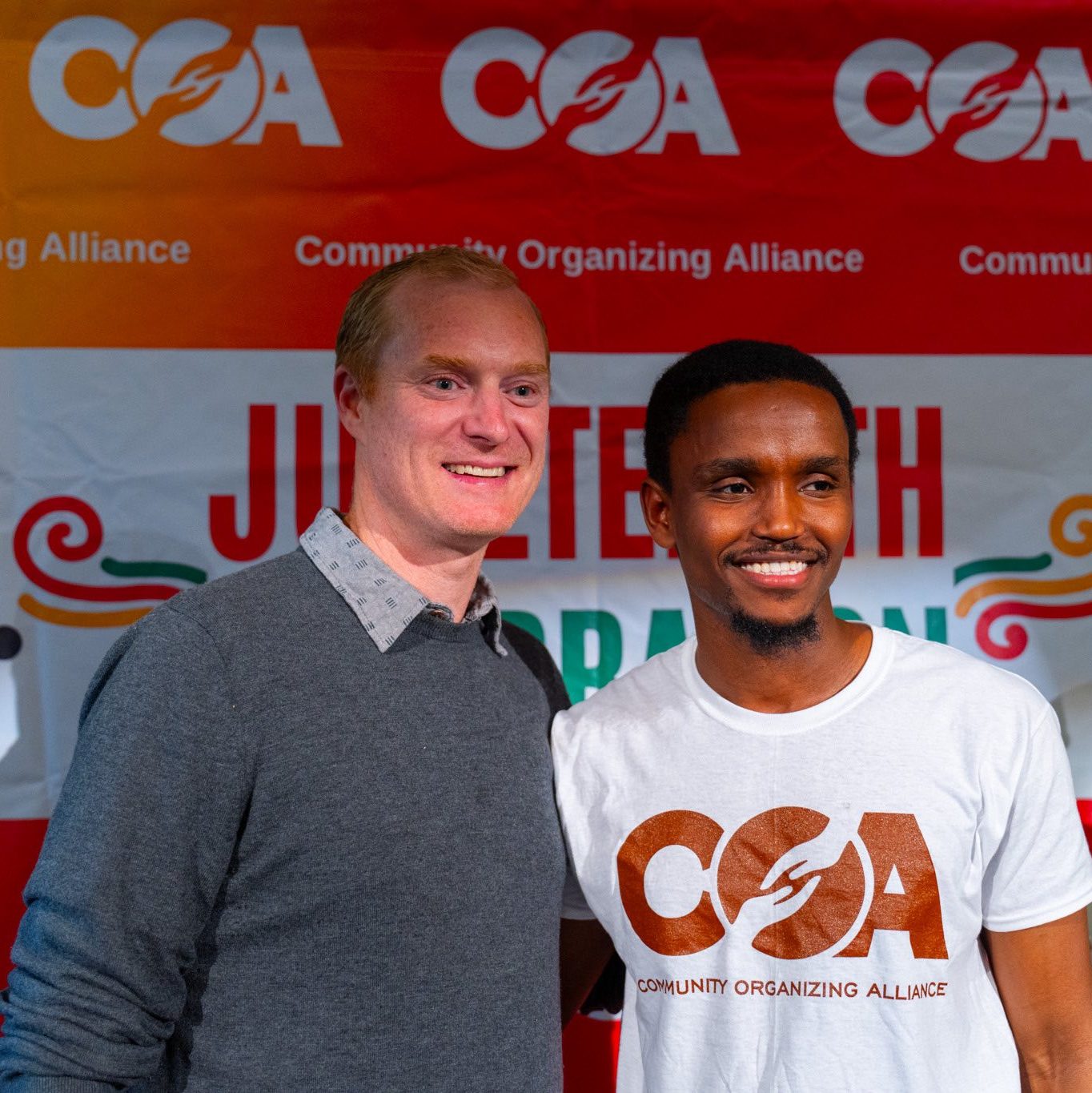
Together, we introduced a Unity Sponsorship Tier—a new, low-barrier option explicitly designed to welcome first-time sponsors, BIPOC-led organizations, and small businesses. I redesigned the sponsorship materials with an emphasis on relationship-building, adjusted our outreach emails to focus on shared purpose, and extended a more inclusive invitation to local business owners to join us. The goal was to make sponsorship more inclusive and welcoming while still recognizing and preserving the value of our long-term funders.
This pivot brought in three new sponsors and strengthened our connection with recurring sponsor, Maine Youth Action Network, which doubled its support. While our total sponsorship was slightly lower than the prior year, the shift resulted in a sponsor pool that more accurately reflected the values of the event and the communities we aimed to support. It was a clear example of what it looks like to lead with equity—especially when faced with scarcity.
The Outcome
The 2025 Juneteenth Celebration exceeded engagement expectations while staying firmly rooted in its values of equity, visibility, and joy. Despite financial and political obstacles, the campaign demonstrated that community-centered strategies can drive both participation and trust.
COA secured $6,800 in sponsorships, welcomed three new partners, and saw increased investment from a returning funder. Event attendance rose by 32%, and the digital campaign—especially Juneteenth Highlight Week—gained the highest engagement COA had seen to date. New relationships formed during the campaign led to ongoing collaborations with local organizations, many of whom were featured for the first time in COA programming.

More importantly, the campaign created a sense of shared ownership across Maine’s communities. People didn’t just attend—they contributed, uplifted one another, and shared their stories. The structure we built held space for creativity, trust, and cultural leadership in a way that extended beyond the event itself.
Hilda’s Reflection
The 2025 Juneteenth Celebration confirmed my belief that a communications strategy is most impactful when it incorporates trust, equity, and community voice. Through Hilda Chang Consulting, I guided this campaign not only as a strategist but also as a community-builder, ensuring that systems, messaging, and partnerships reflected the lived experiences and cultural wisdom of those we aimed to serve.
This project reinforced several key lessons:
- Relationships drive results—and must be cultivated with intention.
- Storytelling can be a tool for visibility and belonging when consent and access are prioritized.
- Equity isn’t just a goal—it’s a structure that shapes how decisions are made, who gets invited, and how impact is defined.
For me, this work goes beyond any single campaign. It’s part of a larger commitment to creating communications that are inclusive, collaborative, and designed with the people they serve in mind. Resistance Through Joy wasn’t just our theme—it was a strategy for building community power.

 Hilda Chang Consulting